

My daughter, Zoe, just turned sixteen. She has Down syndrome, and she never fails to keep showing me what it really means to be seen.
At a community event not long ago, a woman walked straight up to Zoe. This woman hadn’t spoken to Zoe all night, but at the end of the event she finally said, “You seem like a butterfly.” Something about Zoe’s spirit caught this woman’s attention and demanded to be named.
I’ve seen that same spirit ripple outward in other places. At a neighborhood concert, Zoe stepped into the aisle and started dancing. Within minutes, the rows in front of us and behind us had joined in, aunties and uncles swaying right along with her. And, just yesterday, in the grocery store, Zoe greeted nearly every person she passed, saying: “Hi, my name is Zoe. What’s your name?” Again and again, we heard, “That just made my day.”
Not every day looks like this. Some days are heavy — full of therapy appointments, long waits, and invisible labor. Some days it’s hard for me to see Zoe fully, past my own exhaustion or the barriers she faces. Some days it’s hard to even see myself. But then there are moments — being called a the butterfly, the dance party, the greetings at the grocery store — when strangers reflect Zoe’s light back to us. They remind me that my daughter’s presence is powerful and that joy belongs to her, too. To us, too.
There’s pride in those reflections, but also a lesson. Visibility is not just about being noticed. It’s about connection. It’s about the possibility that someone else can see you when you cannot see yourself. Sometimes, that’s the thing that carries us forward.
October is Down Syndrome Awareness Month and, each year, we pause to celebrate the 220,000 people in the U.S. living with Down syndrome. But for Black families, awareness carries another layer. Black infants with Down syndrome have low chances of surviving their first year. In addition, Black parents often face medical skepticism, few resources, and less representation in advocacy spaces. Sadly, these realities shape our story before it even begins.
That’s why visibility matters so much. And this is why I’m grateful for my daughter, Zoe, who teaches me over and over again just how powerful visibility can be. For families like mine, milestones don’t always look the way they do for others. Sixteen wasn’t about getting car keys or driving lessons. It was about Zoe making art, building confidence, and finding ways to connect with the people around her. It was about letting joy spill into unexpected places and watching the world respond.
So, for me, spreading awareness this October means more than ribbons and campaigns. Spreading awareness means celebrating visibility as power. It means honoring and sharing about the ways Zoe interrupts ordinary moments and transforms them into reminders that all of us just want to be seen.
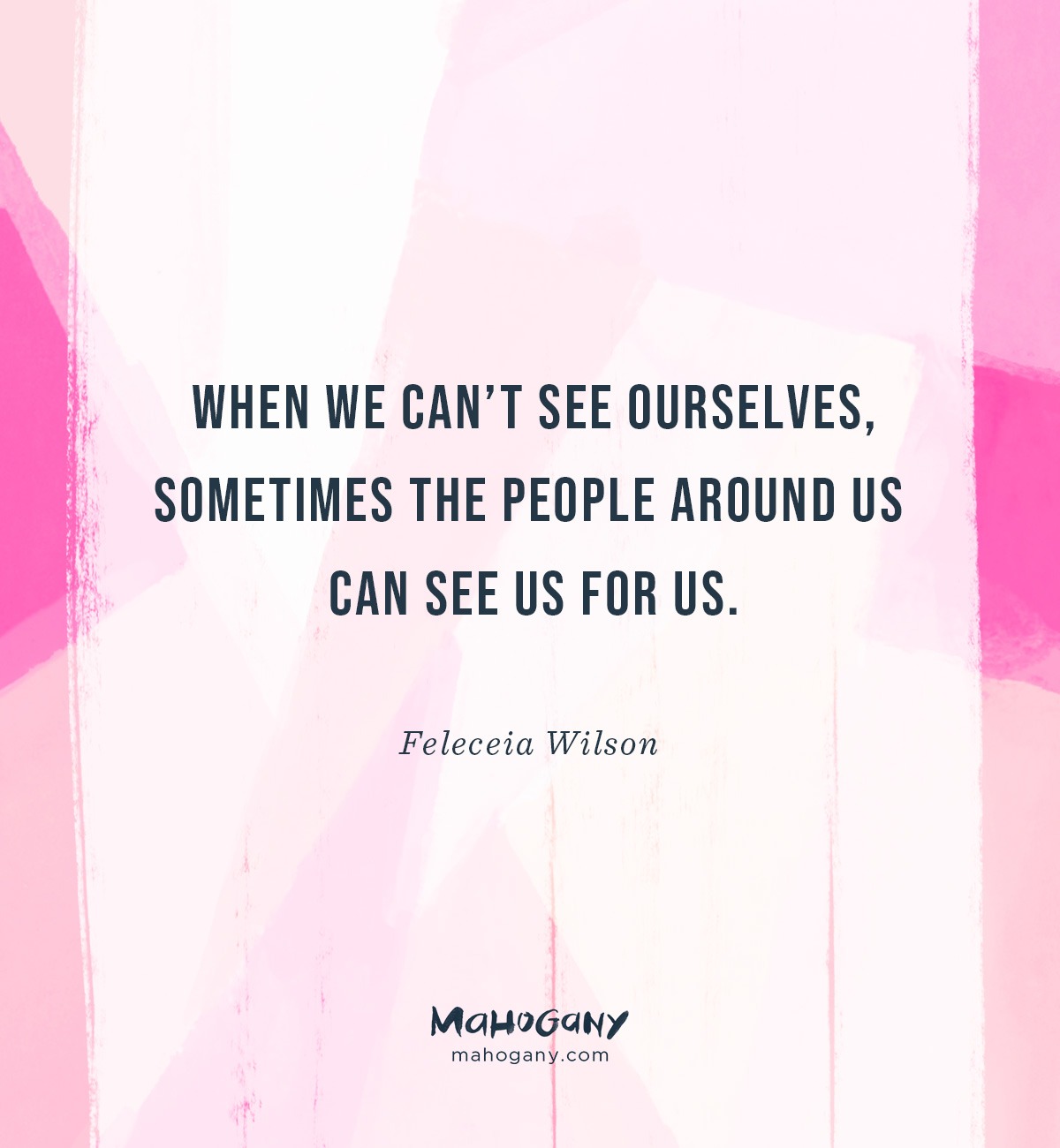
It means remembering that when we can’t see ourselves, sometimes the people around us can see us for us.
That’s a kind of reminder worth holding onto.
Sis, drop a comment below and tell us — who are the people who see you for you? How do they make space for you and remind you of your place in the world?
I love this so much. Having a daughter with Down syndrome myself- I can relate.
Thank you for sharing this message. ❤️