

Every morning at 6:15 a.m., I would wrap the blood pressure cuff around my arm and watch the numbers rise.
I had been managing high blood pressure for over twenty years. I took my medication every single day. I avoided added salt. I read every nutrition label. I did everything “right.” And for years, it worked. My numbers were controlled.
Until they weren’t.
I’m a pharmacist. I was trained to think that if the medication isn’t controlling your blood pressure, adjust the medication. But one morning, while sitting at my kitchen table and staring at 152/98 on the monitor, I finally asked myself a different question:
What if it’s not the medication? What if it’s not the salt?
Maybe you know this feeling. You wake up anxious. Before your feet even hit the floor, your mind is already running: What do I need to do today? What did I forget yesterday? What’s going to go wrong? You go to bed anxious. You’re lying there at 9:30 p.m., still mentally running through your to-do list, replaying conversations, worrying about tomorrow.
Your chest is tight. All the time. Even when nothing is wrong. Your jaw hurts from clenching it while you work, while you drive, while you sleep. You’re exhausted. The kind of tired that sleep doesn’t fix because your body never actually rests. You’re a single mother. Working full time. Sitting on executive boards. Showing up. Leading. Holding everything together. Because if you stop, everything will fall apart.
At least that’s what you tell yourself.
And you think this is just…life. Just what it means to be a woman doing it all. Isn’t everyone anxious? But your body knows the truth. Your blood pressure — despite the medication, despite avoiding salt, despite doing everything “right” — keeps climbing.
The medication isn’t the problem. The anxiety is.
Here’s what happens when you’re anxious: Your body goes into survival mode. And when you’re anxious all the time, your body never gets the signal to relax. Your blood vessels stay tight. Your heart keeps working too hard. Your blood pressure stays high. No medication adjustment can fix a nervous system that thinks it’s constantly under attack. This is especially true for us. For Black women. We’re 60% more likely to develop high blood pressure than white women. We develop it earlier. We have worse outcomes. And it’s not just about genetics. It’s not just about medication dosages.
It’s about the chronic stress and anxiety that our bodies can’t release.
We’re anxious about our children navigating a world that wasn’t built for them. About money. About systemic racism. About discrimination in healthcare. About being believed when we say something is wrong. We carry the weight of holding our families together. Our communities together. Everything together.
Our nervous systems have been in survival mode so long that our bodies don’t know how to rest.
Sitting at my kitchen table all those mornings and staring at that high reading, I made a decision. I wasn’t going to ask for a higher dose or a different medication. I was going to address the root cause: my anxious heart. Because heart health is self-love.
Here’s what I did:
- I started doing breathwork every single day. Five minutes. Box breathing: Inhale for four seconds, hold for four seconds, exhale for four seconds, hold for four seconds. Within two weeks, my blood pressure dropped. Not from adjusting my medication. but from regulating my nervous system. Breathwork is self-love.
- I went to therapy. My therapist taught me anxiety isn’t a personality trait, rather it’s a nervous system response. My body was stuck in survival mode. I needed tools to tell my body: You’re safe. Therapy is self-love.
- I set boundaries. “I don’t have capacity for that” became my favorite sentence. Every time I said no to what dysregulated me, my blood pressure responded. Boundaries are self-love.
- I rested. 9:30 p.m. became my bedtime. Eight hours of sleep. Phone locked away. When I prioritized sleep, my blood pressure dropped another 10 points. Rest is self-love.
- I moved my body. Not to punish myself, but to release stress hormones. After every workout, my anxiety was lower. My numbers reflected it. Movement is self-love.
- I practiced saying: “I’m safe.” When my anxiety spiked, I stopped, I breathed, and I said out loud: “I’m safe. I’m okay.” My anxious heart heard these words…and it calmed down. Affirmation is self-love.
I know we’ve been taught to be strong. To keep going. To hold everyone together. To never let them see us break. But our bodies are breaking under the weight. We’ve been strong for too long without rest.
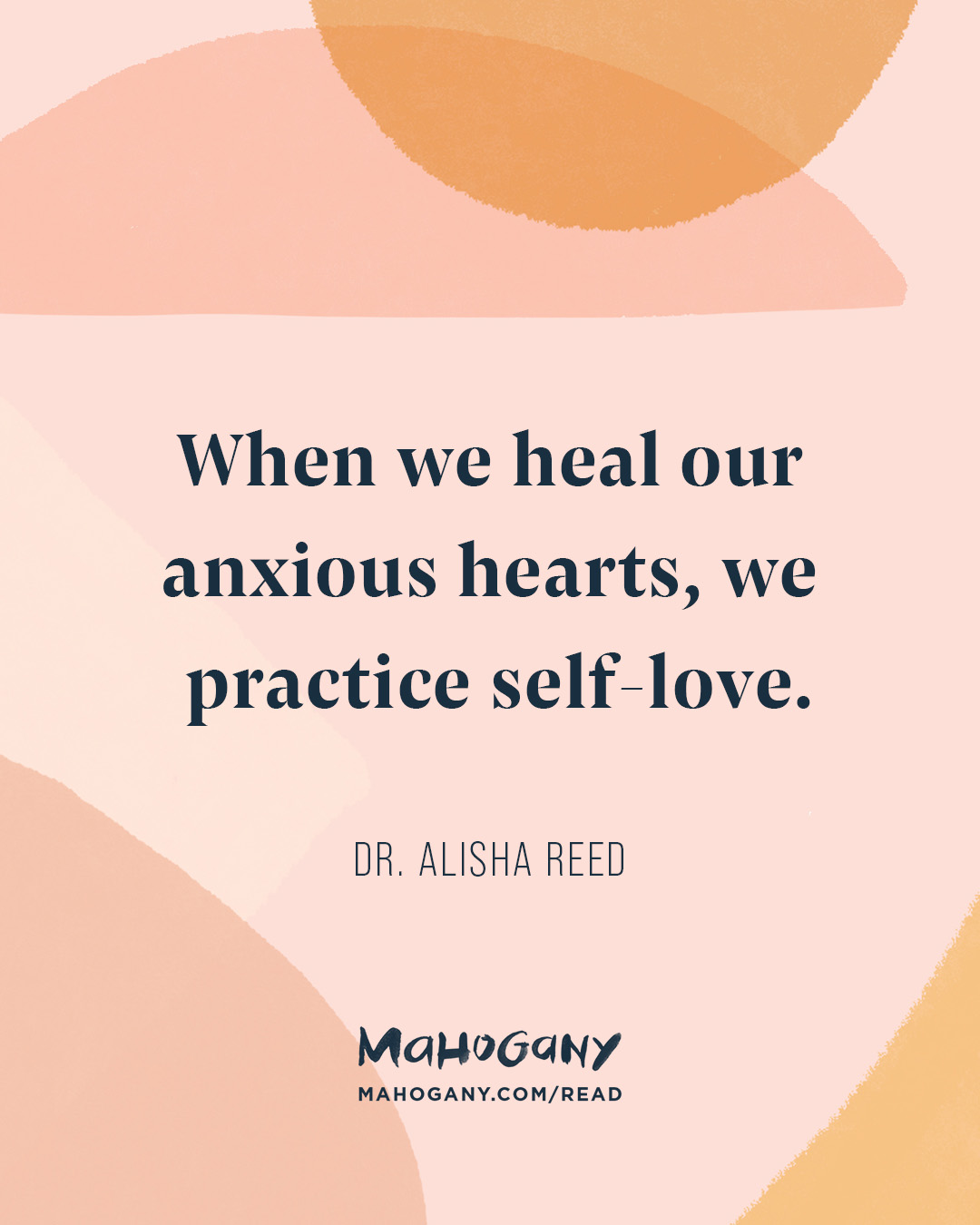
When we manage our anxiety, we practice self-love. When we heal our anxious hearts, we practice self-love. This month, in honor of American Heart Month, check your blood pressure at home. Do breathwork for five minutes a day. Go to therapy. Set boundaries. Sleep for eight hours. Move your body. Say, “I’m safe.”
This is heart health. This is self-love.
Leave a Comment

Reader Interactions
No Comments
We'd love to hear your thoughts. Be the first to leave a comment.